 admin
adminPrefabricated container houses
Prefabricated container houses have emerged as a modern and sustainable solution for affordable and efficient housing. These innovative homes have captured the attention of homeowners, architects, and developers due to their quick construction times, modular design, and cost-effectiveness. But one common question many people have is, what are prefabricated container houses made of? Understanding the materials used in these structures not only highlights their durability but also explains why they are becoming a popular alternative to traditional homes.
At the core, prefabricated container houses are primarily made from high-quality steel. Shipping containers, which are the foundation of these homes, are constructed using corten steel, a weathering steel designed to resist corrosion. This ensures that the structure remains robust and long-lasting, even under harsh environmental conditions. The steel framework provides structural integrity, allowing for stacking, transporting, and modification without compromising safety. Because of this steel composition, prefabricated container houses are remarkably strong, making them resistant to extreme weather events, such as heavy rains, strong winds, and even earthquakes.
While steel forms the backbone, insulation materials play a critical role in making these homes comfortable for living. Since steel can absorb and transfer heat quickly, proper insulation is necessary to regulate interior temperatures. Common insulation materials include spray foam, fiberglass, and polyurethane panels. Spray foam insulation is particularly effective as it fills gaps and prevents air leakage, offering superior thermal efficiency. By using these materials, prefabricated container houses can maintain a consistent indoor temperature, reducing energy consumption and providing a cozy living environment.
The interior of prefabricated container houses is typically finished with lightweight materials that are easy to install and customize. Drywall and plywood are commonly used to create walls and ceilings, allowing homeowners to design the interior according to their preferences. Additionally, floors can be covered with vinyl, laminate, or hardwood, depending on aesthetic and budget considerations. These materials not only improve the comfort of the home but also contribute to its modern and stylish look, demonstrating that container houses do not compromise on design.
Windows and doors in prefabricated container houses are another essential component. They are usually made of durable aluminum or uPVC, materials known for their resistance to weather and low maintenance requirements. Properly installed windows and doors ensure ventilation, natural lighting, and energy efficiency. Moreover, modern prefabricated container houses often incorporate double-glazed glass, which enhances insulation and minimizes noise from the outside, creating a more peaceful and energy-efficient living space.
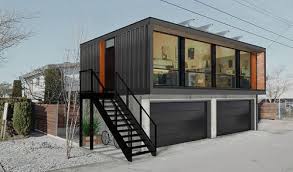
What are prefabricated container houses made of?
In addition to steel, insulation, and interior materials, the roofs of prefabricated container houses are specially treated to provide additional protection. Some designs include reinforced steel roofs, while others use composite panels with waterproof coatings. These roofs prevent water leakage, reduce heat absorption, and extend the lifespan of the home. The roofing materials, combined with corrosion-resistant coatings on the exterior, make prefabricated container houses suitable for both urban and remote environments.
Another material frequently used in the construction of prefabricated container houses is composite siding or cladding. This layer is applied to the exterior walls to improve aesthetics, provide additional thermal insulation, and protect against environmental elements. Composite materials can mimic the look of wood, stone, or other natural finishes, offering homeowners a wide range of design options. This adaptability shows that prefabricated container houses are not only practical but also versatile in terms of architectural appeal.
Electrical and plumbing systems in prefabricated container houses are integrated using standard construction materials but adapted to the container’s modular structure. Copper wiring, PVC pipes, and modern fixtures are carefully installed to ensure functionality while maintaining the structural integrity of the steel frame. The integration of these systems allows these homes to offer the same convenience and comfort as traditional houses, making them a viable long-term living solution.
Sustainability is another aspect closely tied to the materials used in prefabricated container houses. By repurposing shipping containers and using recyclable and low-impact materials, these homes minimize waste and reduce the carbon footprint associated with conventional construction. Steel, being fully recyclable, further adds to the eco-friendly nature of these houses, making them an attractive choice for environmentally conscious homeowners. Additionally, energy-efficient insulation and smart materials contribute to long-term cost savings and environmental benefits.
In conclusion, prefabricated container houses are made from a combination of high-quality steel, durable insulation, versatile interior finishes, robust roofing, and modern exterior cladding. Each material is carefully selected to enhance structural strength, comfort, energy efficiency, and aesthetic appeal. The integration of electrical and plumbing systems, along with sustainable practices, makes these homes a practical and eco-friendly alternative to traditional housing. As more people seek affordable, stylish, and environmentally responsible living solutions, prefabricated container houses continue to grow in popularity, proving that innovation in building materials can redefine modern housing.
